Who Can Legally Clean Your Building's Exterior in Singapore?
Source: Pexels/Pavel Danilyuk
A patient leaves a hospital room, and within minutes, a nurse, cleaner, visitor or the next patient may touch the bed rail, door handle and call button. If these surfaces are not cleaned and disinfected properly, microorganisms can move from one person or area to another.
Regular and thorough cleaning removes dirt and organic matter, while disinfection reduces harmful microorganisms on surfaces. When carried out using the right products, equipment and procedures in hospitals, these measures can help control the spread of healthcare-associated infections (HAIs) and support a safer environment for patients and healthcare workers in Singapore.
How HAIs Spread in Hospital Settings
Several pathways allow microorganisms to move between patients, healthcare workers, equipment and the hospital environment.
- Contaminated Hands: Microorganisms can transfer between patients, healthcare workers, equipment and surfaces when hand hygiene is not performed correctly or at the appropriate times.
- Contaminated Medical Equipment: Shared medical equipment can transfer microorganisms between patients when it is not appropriately cleaned, disinfected or sterilised between uses.
- Airborne and Droplet Transmission: Some pathogens can spread through respiratory droplets or airborne particles released when an infected person coughs, sneezes, talks or undergoes certain procedures.
What Makes Medical Cleaning Different From General Cleaning?
Medical cleaning follows stricter cleaning, disinfection and infection-control protocols designed for healthcare environments such as hospitals, where contamination can pose greater risks to patients and staff.
Area | General Cleaning | Healthcare Cleaning |
Purpose | Focuses on maintaining cleanliness by removing dirt, dust, stains and other visible soiling. | Aims to maintain environmental hygiene while reducing contamination and supporting infection prevention and control in hospitals. |
Cleaning Frequency | Frequency generally depends on factors such as how an area is used, its level of traffic and how quickly it becomes soiled. | Cleaning frequency is defined according to the healthcare environment and applicable cleaning requirements, with greater attention given to higher-risk areas and frequently touched surfaces. |
Cleaning Methods | Methods are generally selected according to the surface, type of soiling and cleaning requirement. | Cleaning follows defined procedures for different areas, surfaces and circumstances, including requirements for routine and terminal cleaning and disinfection. |
Disinfection | Routine cleaning does not necessarily require disinfection of every surface. | Disinfection is used where required as part of the healthcare cleaning programme, with products and application methods selected according to the relevant requirements. |
Staff Training | Staff need to understand the cleaning procedures, equipment and products relevant to their assigned work. | Cleaning staff require healthcare-specific education and continuing training, including relevant cleaning and disinfection procedures. |
Cross-Contamination | Standard cleaning practices aim to prevent contaminants from being transferred between areas. | Healthcare cleaning procedures specifically account for cross-contamination risks between patient-care areas, equipment and other parts of the facility. |
Apply the Right Standard of Cleaning and Disinfection to Each Zone
Hospitals use different decontamination processes depending on the area, surface or equipment. Cleaning, disinfection and sterilisation each serve a different purpose and are applied according to the level of contamination and intended use.
Decontamination Process | How It Is Applied In Hospitals |
Cleaning | Removes dirt, dust, organic matter and other visible soiling from surfaces. |
Disinfection | Uses an appropriate disinfectant to reduce microorganisms on surfaces or equipment when disinfection is required. The product, concentration and contact time should follow the applicable requirements and manufacturer’s instructions. |
Sterilisation | A process used for items that need to be sterile, particularly certain medical instruments and devices used in procedures that require sterility. |
Prioritise High-Touch Surfaces Where Contamination Builds Up Quickly
High-touch surfaces should receive particular attention in hospital cleaning programmes, including:
- Bed Rails And Bedside Tables
- Call Buttons And Telephones
- Door Handles And Light Switches
- Nurse Station Keyboards And Work Surfaces
- Toilet Fixtures And Other Frequently Handled Surfaces
Include these surfaces in the cleaning schedule for the relevant area, with frequency determined by cleaning requirements.
Prevent Cross-Contamination Between Different Areas
Cleaning procedures should be organised to reduce the risk of transferring contaminants between different areas of a hospital.
- Separate Cleaning Equipment: Use dedicated or appropriately segregated cleaning materials and equipment for different areas where required. Colour-coding can help staff distinguish equipment assigned to specific zones.
- Follow a Clean-to-Dirty Workflow: Organise cleaning from cleaner areas towards more contaminated areas to reduce the risk of transferring contaminants to areas that have already been cleaned.
- Clean Equipment Between Uses: Clean and disinfect equipment between uses, and keep clean and soiled items separate in cleaning carts.
Follow Additional Cleaning Procedures for Isolation Rooms and Higher-Risk Areas
Isolation rooms and higher-risk clinical areas may require additional cleaning measures based on the type of infection, transmission precautions and area requirements.
- Follow Area-Specific Cleaning Frequencies: Cleaning schedules should reflect the area, infection risk and level of patient vulnerability.
- Carry Out Terminal Cleaning: When a room requires terminal cleaning, staff should follow the facility’s established procedure for cleaning and disinfecting relevant environmental surfaces and equipment before reusing the room.
Handle Waste Safely
Safe waste handling requires proper segregation, appropriate PPE and procedures for different types of healthcare waste, including:
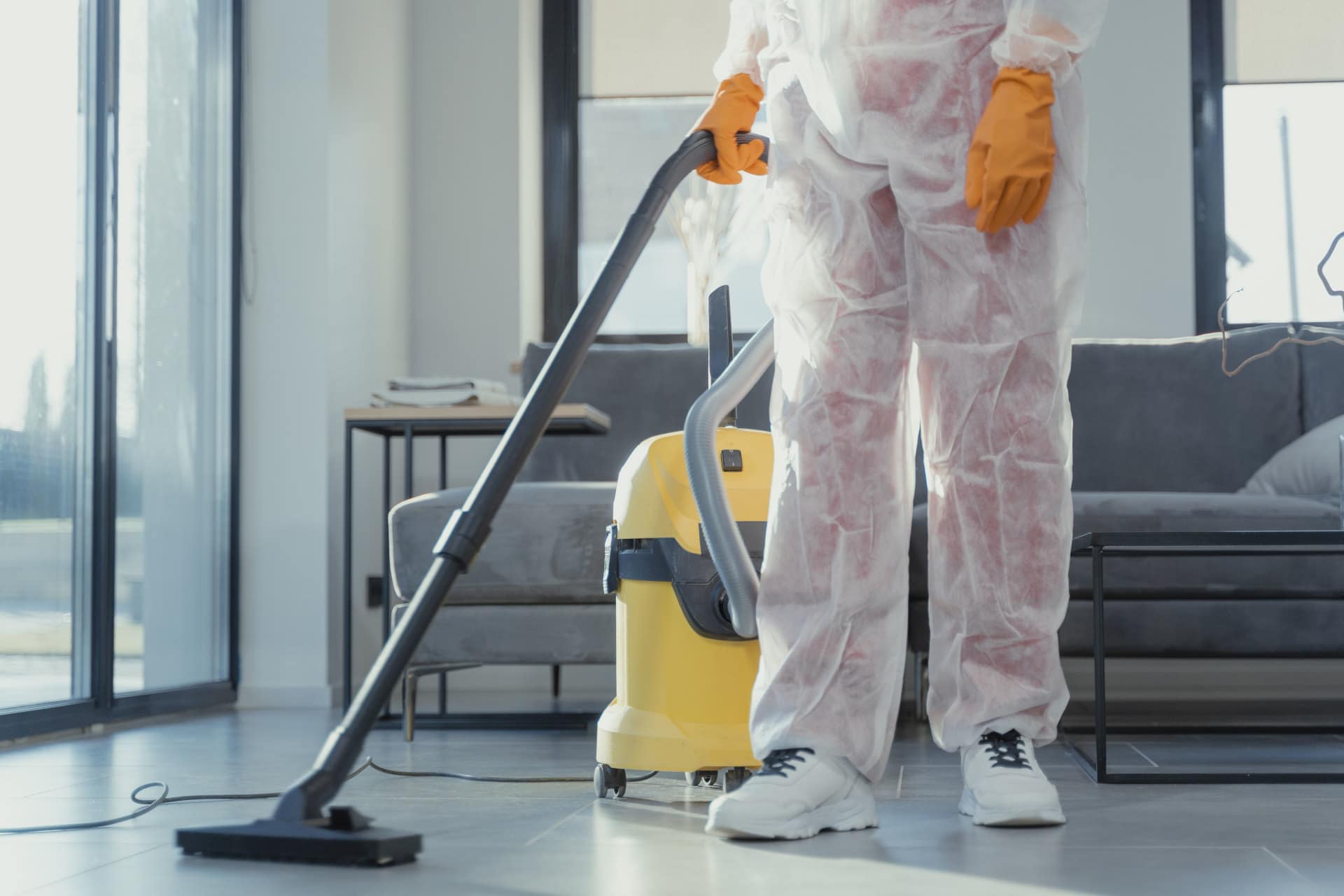
- Use Appropriate PPE: Cleaning staff should wear the PPE required for the task and applicable precautions, then remove and dispose of disposable PPE appropriately after use.
- Segregate Waste Correctly: Use the appropriate colour-coded bags or containers for different waste streams to support safe handling and the correct disposal route.
- Dispose of Sharps Safely: Place contaminated needles and other sharps directly into designated sharps containers to minimise needlestick injuries.
Train Staff Regularly and Monitor Compliance
Infection Prevention and Control (IPC) in hospital requires ongoing training, monitoring and management rather than a one-time initiative.
- Provide Role-Specific Training: Staff should receive IPC education and training relevant to their roles, including appropriate cleaning and infection-control procedures for cleaning personnel. Employee education is part of hospital IPC programmes in Singapore.
- Audit and Monitor Compliance: Hospitals should regularly assess infection-control practices and cleaning activities to identify gaps and take corrective action. Singapore’s National Cleaning Standards also require monitoring of cleaning activities and defined performance indicators.
- Use Surveillance to Identify Problems Early: Surveillance is an established part of hospital IPC programmes and can help identify infection trends or gaps that require further action.
Partner with a Certified Healthcare Cleaning Service Provider
Hospital and medical clinic cleaning requires experienced personnel, appropriate disinfectants and consistent cleaning procedures to maintain hygiene and reduce cross-contamination risks. AO ServicePro is a certified provider offering professional healthcare cleaning services across hospitals, clinics, dental offices and outpatient centres in Singapore.
Our healthcare cleaning services cover lobby and reception areas, patient rooms and wards, doctor and nurse stations, healthcare equipment and tools, and toilets and bathrooms. We use approved disinfectants and follow stringent cleaning protocols, adhering to relevant regulations and guidelines from the National Environment Agency (NEA) and Ministry of Health (MOH).
Get Your Healthcare Facility Clean by Professionals at AO ServicePro
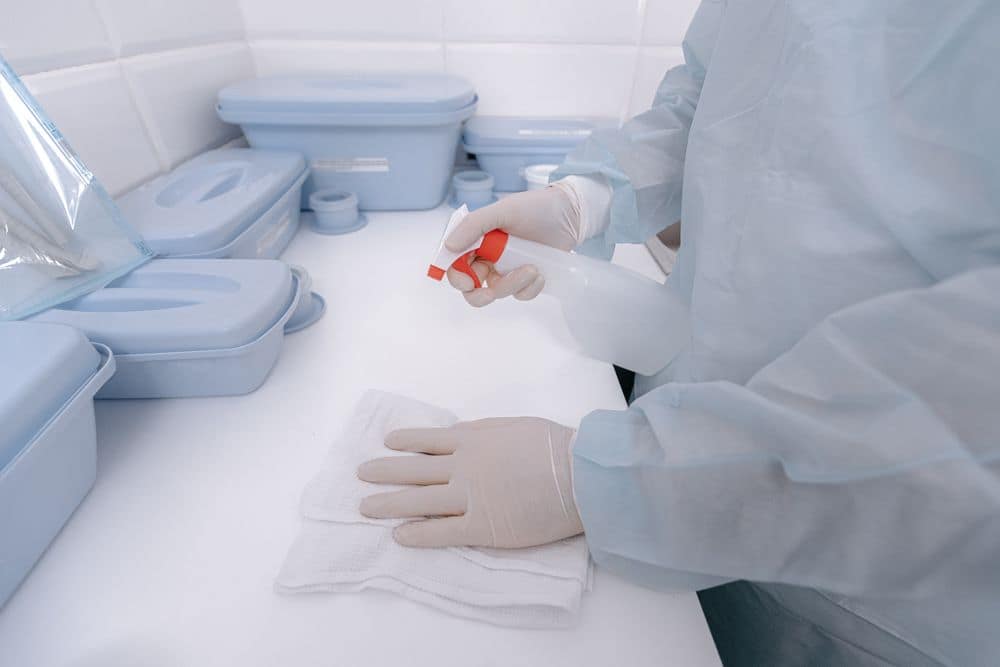
Source: Pexels/SHVETS Production
As a commercial cleaning company in Singapore, AO ServicePro can support healthcare facilities with reliable cleaning services tailored to their operational needs. Contact AO ServicePro today to discuss your healthcare cleaning requirements and receive a personalised quote.